PhD – Colorado State University
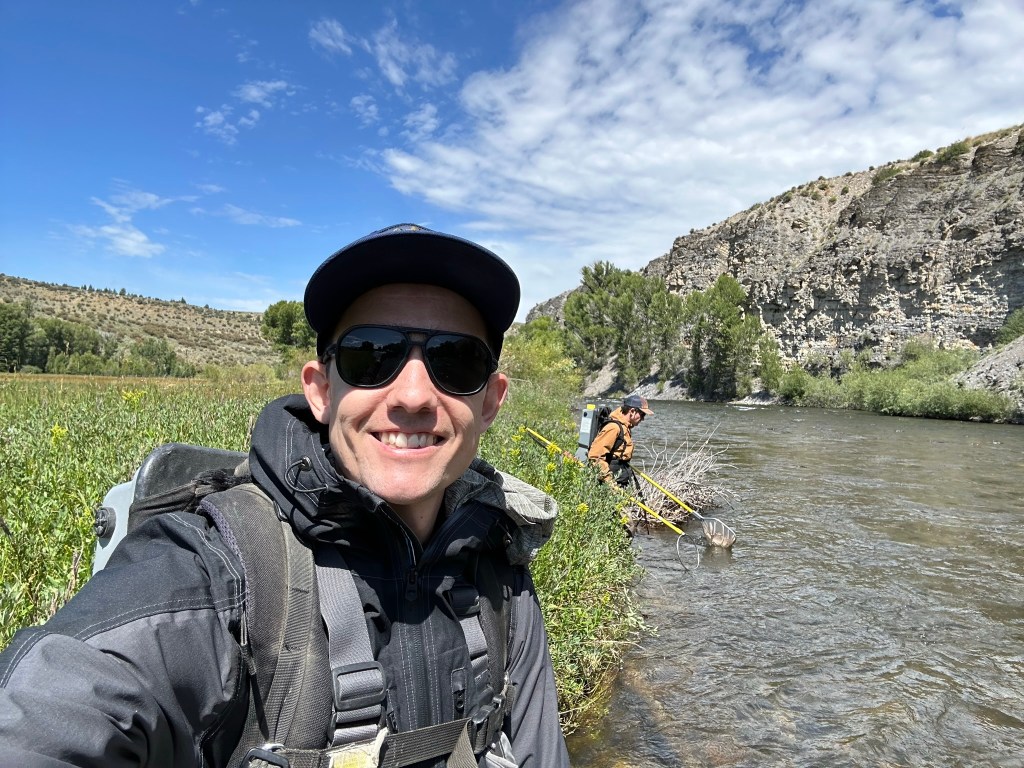
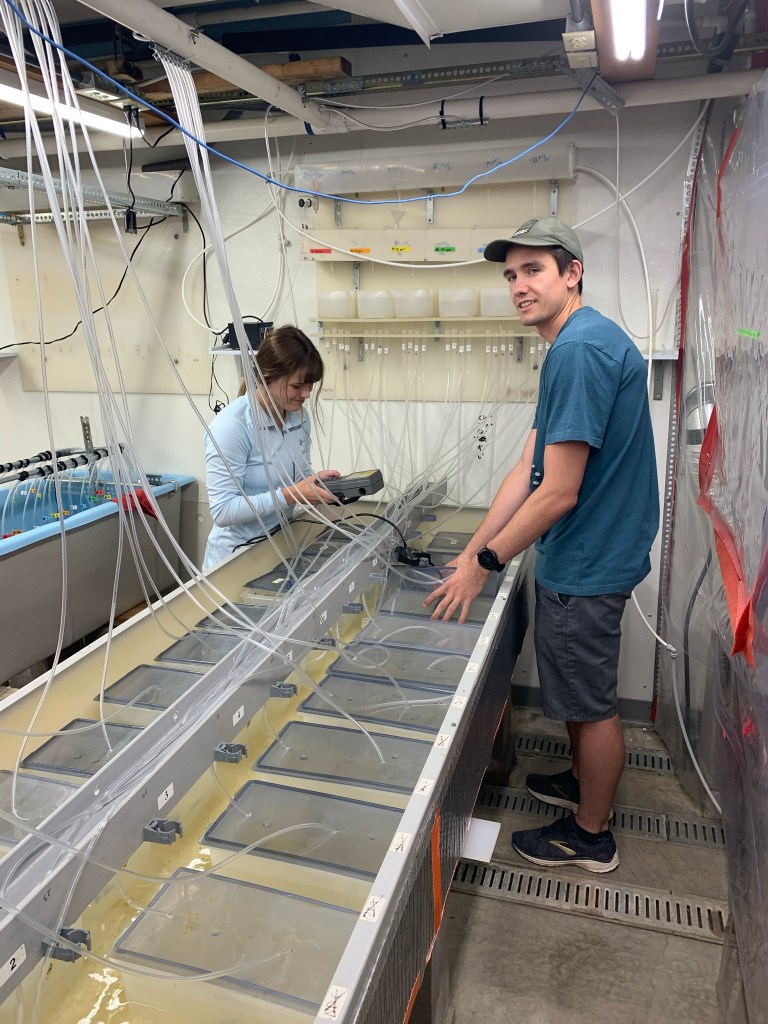
Since transitioning from my master’s in January 2023, I have spearheaded interdisciplinary research on invasive-native fish competition (Mosquitofish vs. Plains Topminnow) and water governance dynamics in Colorado’s eastern plains. My work merges ecological experiments with stakeholder interviews to bridge conservation and water-use needs. Key accomplishments include:
- $73,580+ in secured funding, including:
- Colorado Water Center USGS 104B Grant ($19,261) for adaptive river governance research (2025)
- Colorado Water Center Faculty Grant ($49,344) for native fish habitat literature review
- Douglas L. Gilbert, Peters Fellowship, Hill Fellowship, and SOGES Leadership Fellowship (totaling $35,575)
- AFS Skinner Award ($1,000) and Western Division Travel Award ($1,000)
- Research Leadership:
- Published lead-author paper in Freshwater Biology (2024) on invasive-native competition
- Co-authored Journal of Zoology study (2023) on fish movement dynamics
- Managed electrofishing, eDNA sampling, and PIT-tagging field crews
- Presentations:
- National talks at American Fisheries Society (AFS) meetings (2023–2025), including award-winning SETAC presentation on ecotoxicology
- Teaching & Service:
- Sole instructor for FW400: Fisheries Conservation (2023)
- President-Elect of AFS Equal Opportunity Section (2023–Present)
- Peer reviewer for Ecology of Freshwater Fish and North American Journal of Fisheries Management
- $73,580+ in secured funding, including:
MS – Colorado State University
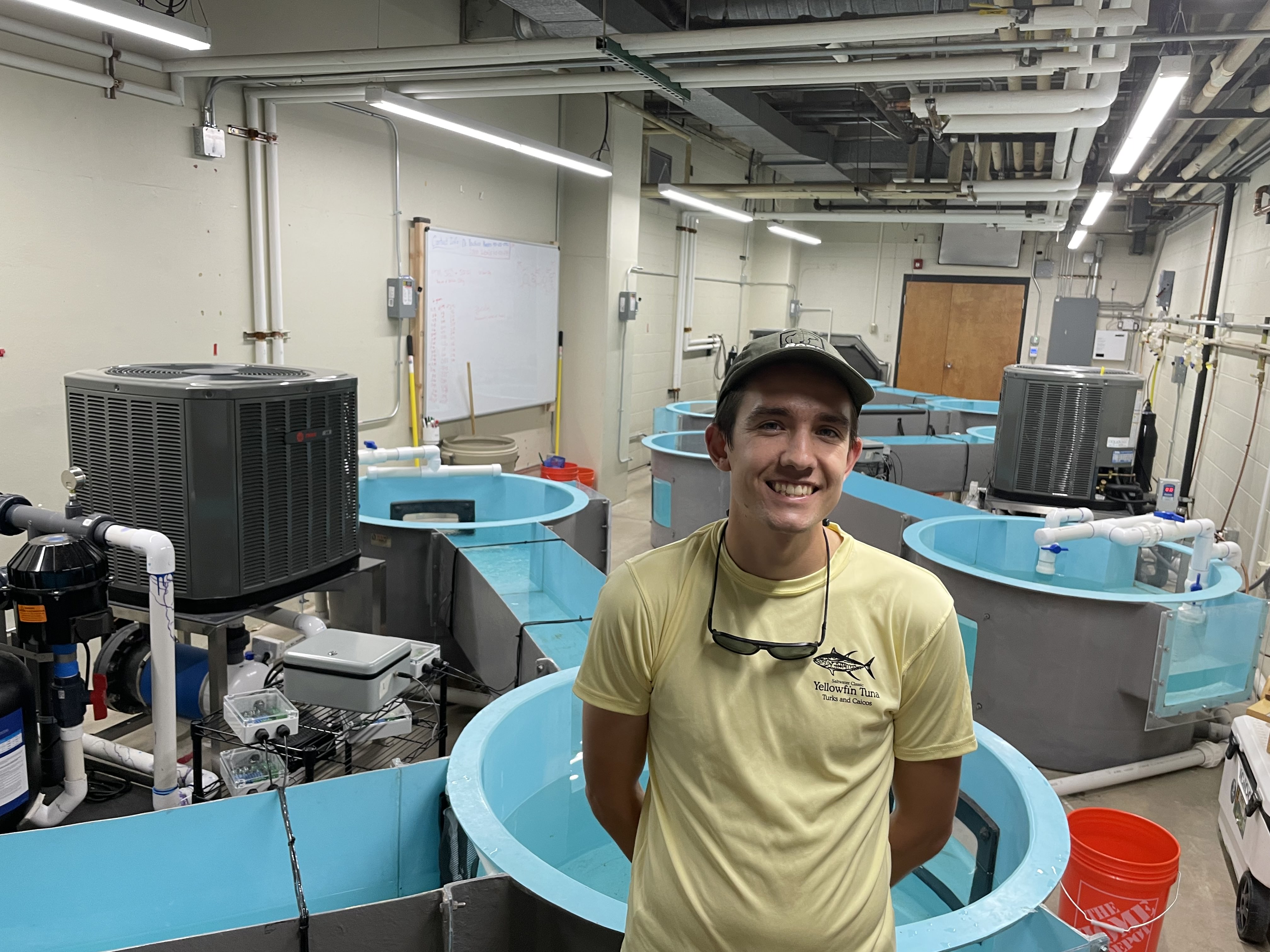
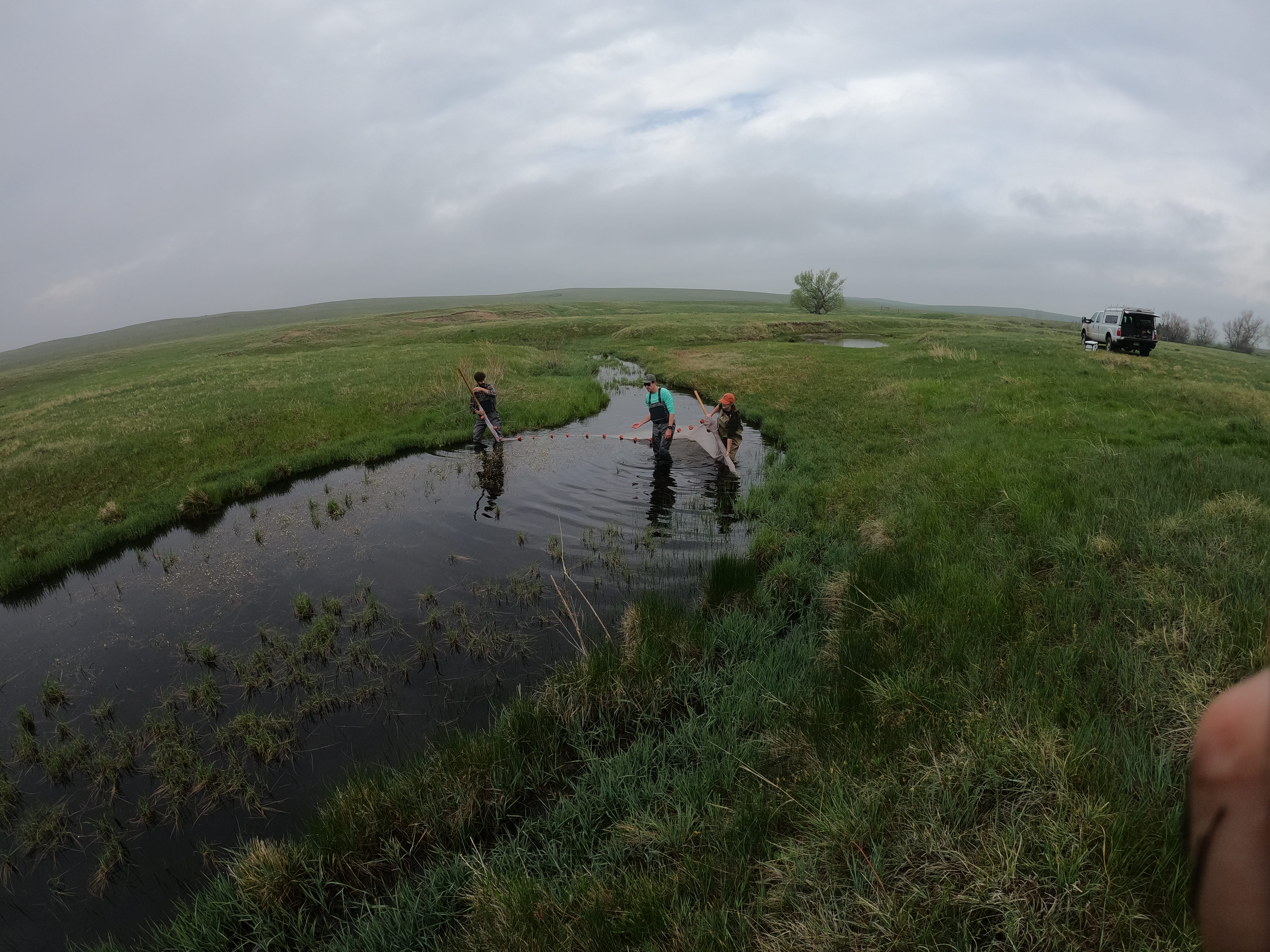
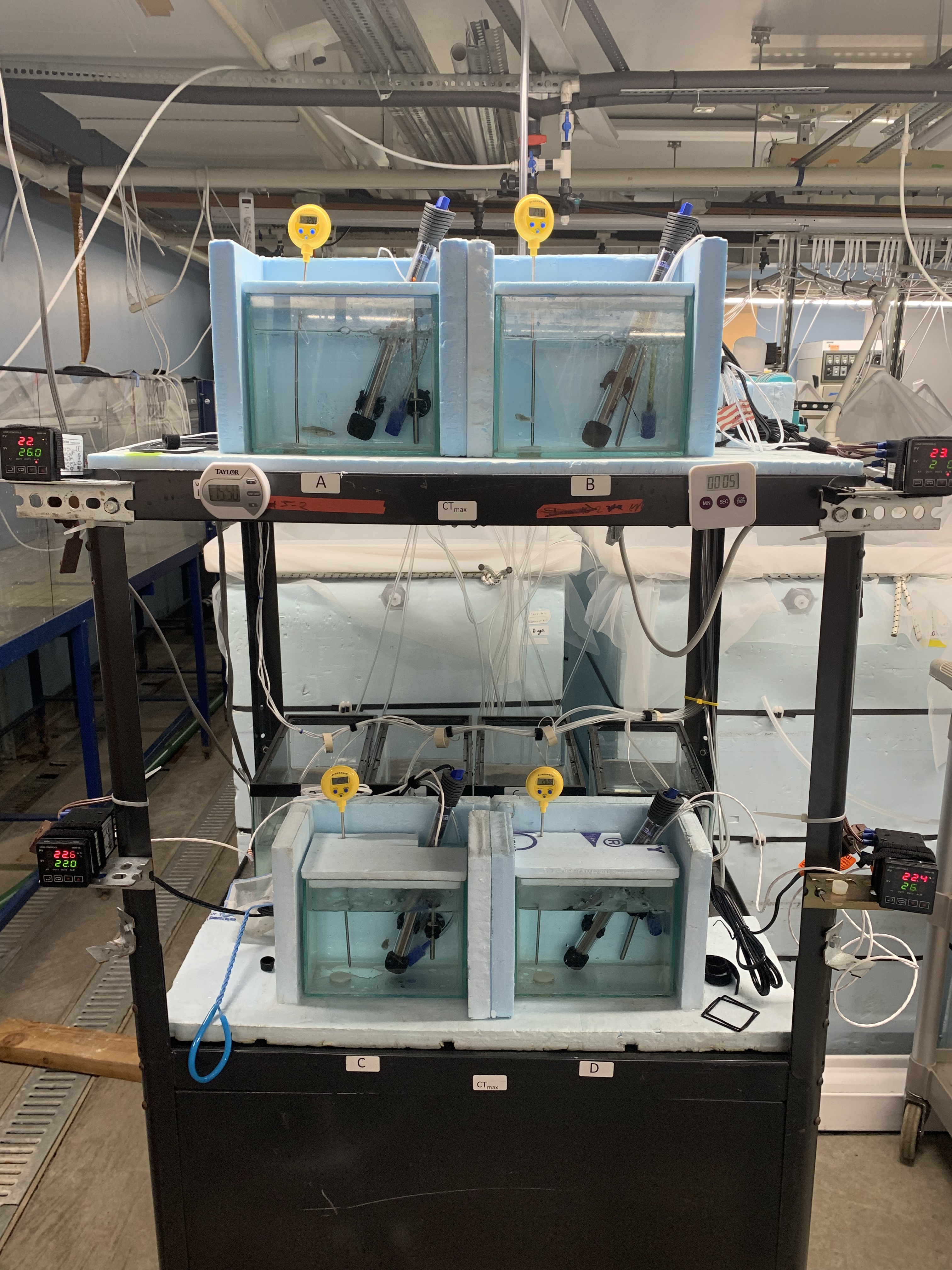
During my MS in Fisheries, Wildlife, and Conservation Biology, I pioneered experimental research on invasive-native fish interactions and ecotoxicology, laying the groundwork for my PhD. Key accomplishments include:
- Secured $7,500+ in funding:
- Colorado Graduate Grant ($7,500)
- J.W. Powell Graduate Fellowship ($2,945)
- Dr. John & Marietta Peters Scholarship ($950)
- NSF GRFP Honorable Mention
- Research Leadership:
- Designed and executed lab/field experiments on condition-specific competition between invasive mosquitofish and native plains topminnow (published in Fishes, 2021)
- Conducted ecotoxicology studies for CPW:
- Assessed magnesium chloride impacts on endangered Greenback Cutthroat Trout
- Performed HPLC analysis for piscicide application
- Teaching
- Instructor for FW301 Ichthyology Lab
- Graduate Teaching Assistant for NR120 Environmental Conservation
- Secured $7,500+ in funding:
Colorado Parks and Wildlife
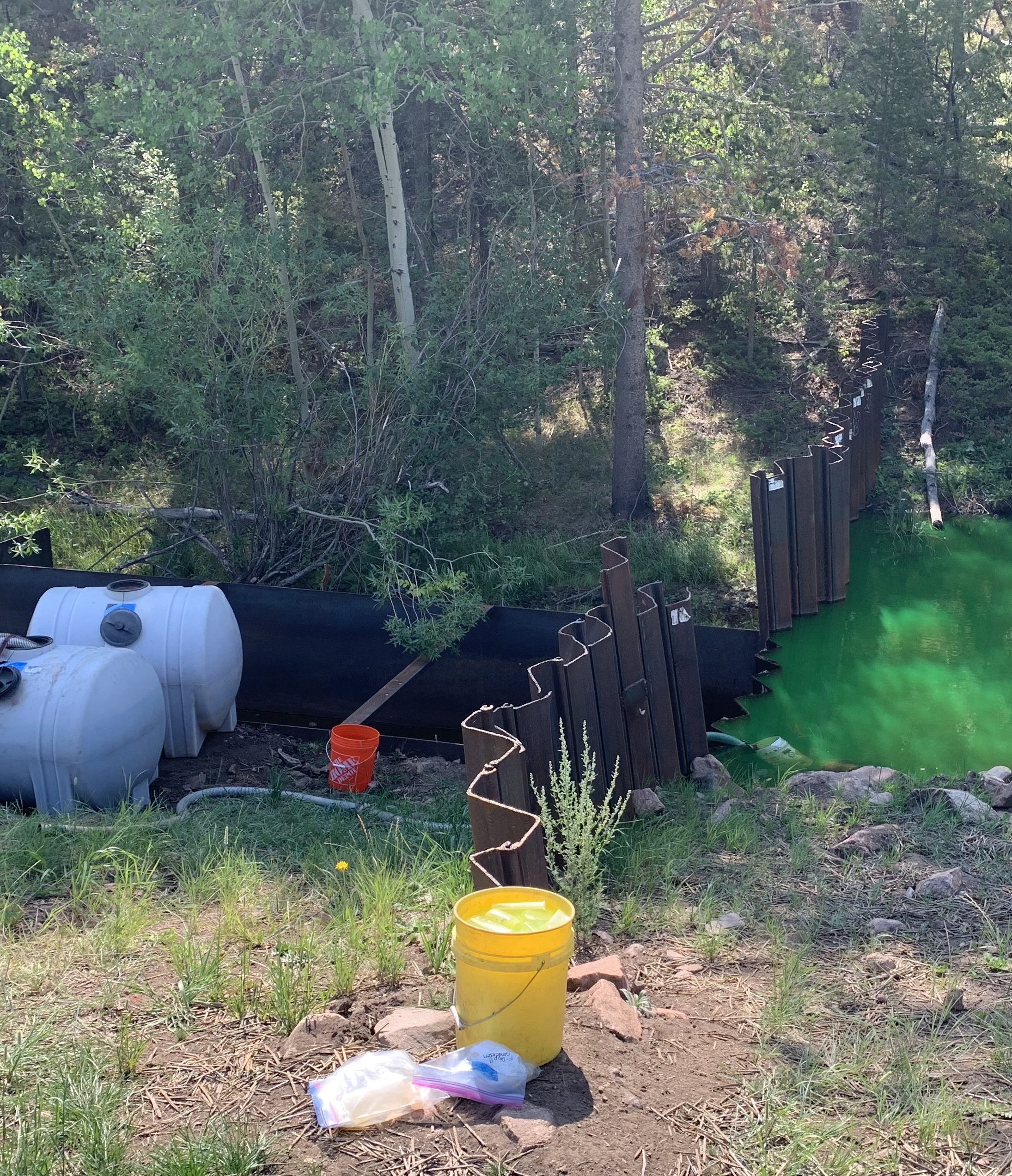
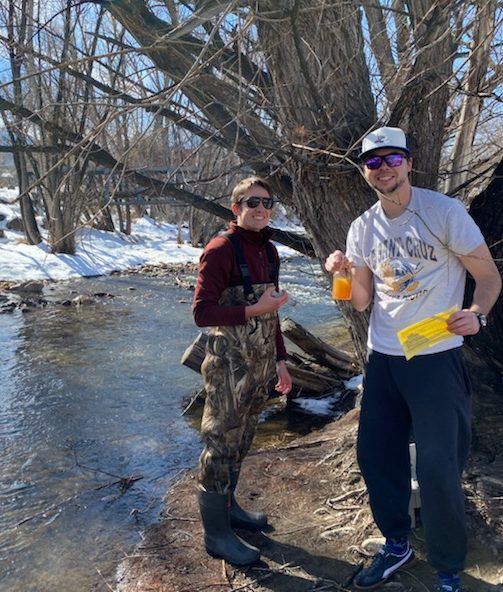
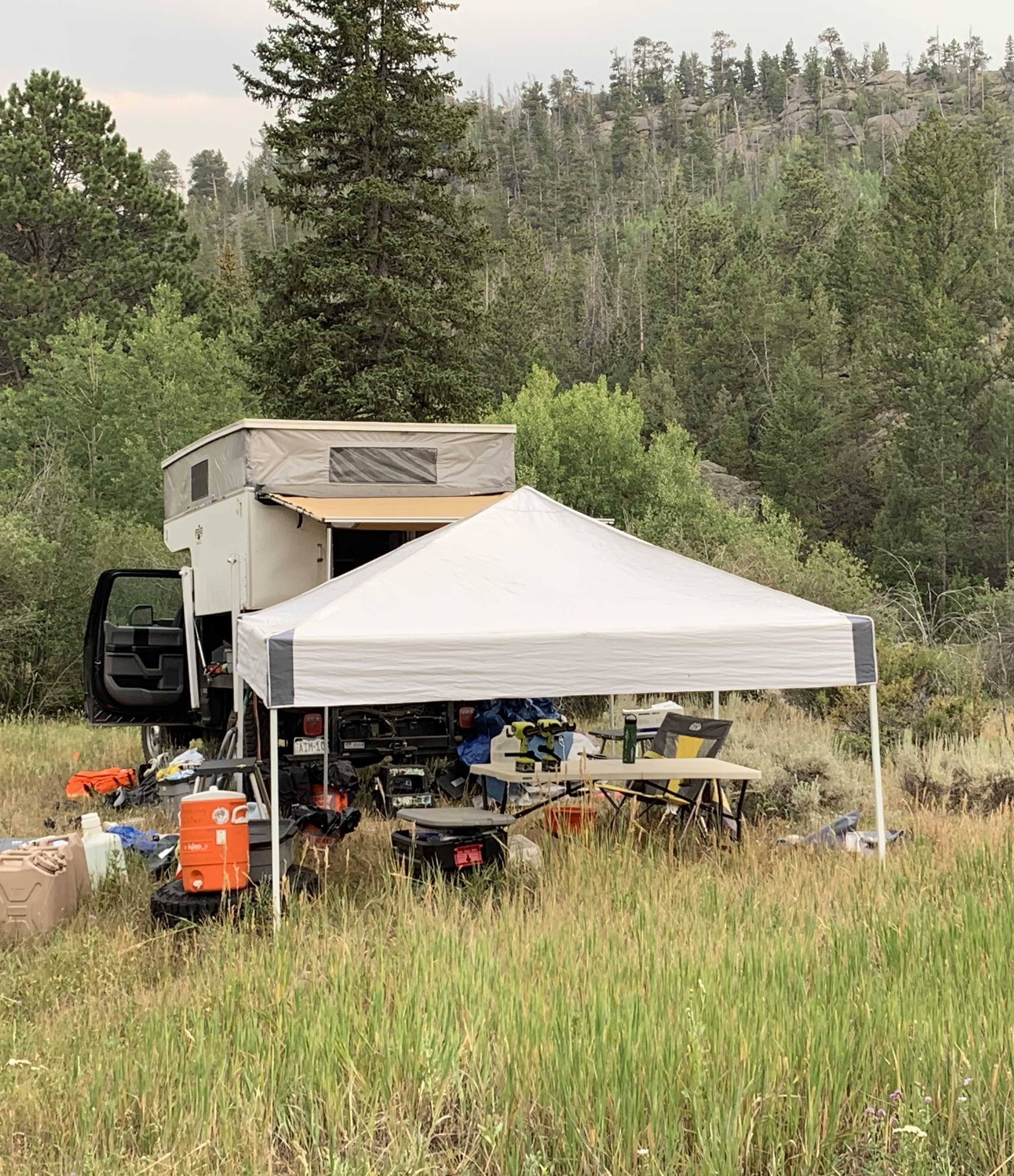
During my tenure at Colorado Parks and Wildlife, I advanced water quality science and invasive species management through two critical roles. As an Analytical Chemistry Intern (Jan-Jun 2020), I developed R scripts to automate QA/QC for 30-year nutrient/metal datasets, authored Clean Water Act 303(d) compliance reports for state/federal stakeholders, and refined ICP-OES/Lachat protocols to lower detection limits. Transitioning to Aquatic Ecotoxicology Research Technician (Jul-Oct 2020), I engineered field-to-lab toxicology protocols: conducting on-site HPLC analysis during invasive fish eradications, unifying multi-agency databases (USGS/River Watch/CDPHE) to identify threats to aquatic life, and performing spectrofluorometric algae surveys. My R-based analysis of heavy metal trends across 20+ Colorado rivers directly informed conservation strategies, cementing my commitment to translating technical rigor into actionable solutions for Western watersheds.
University of California Santa Barbara
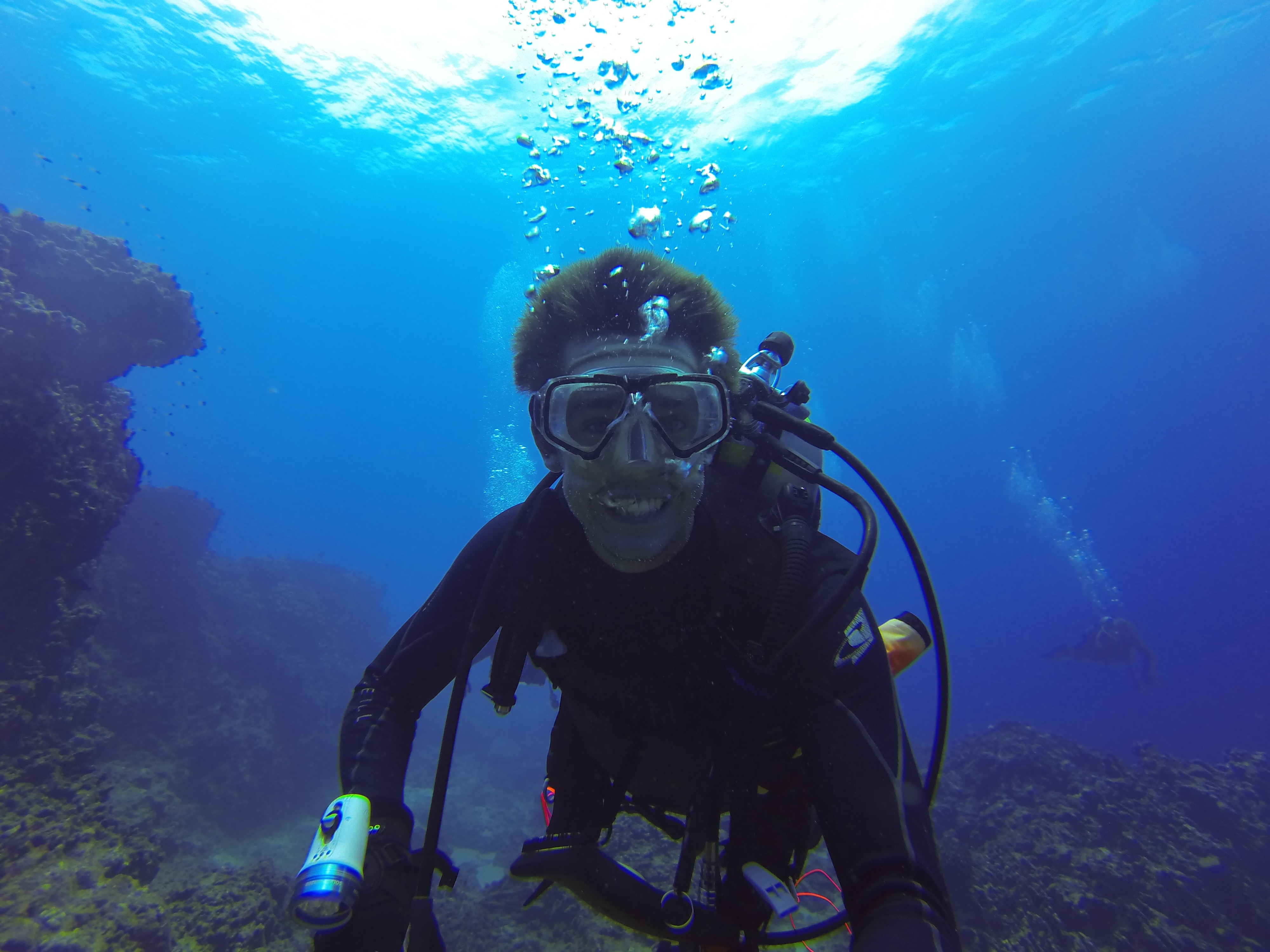
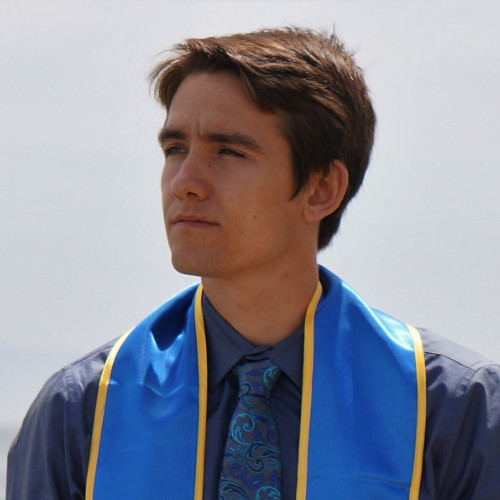
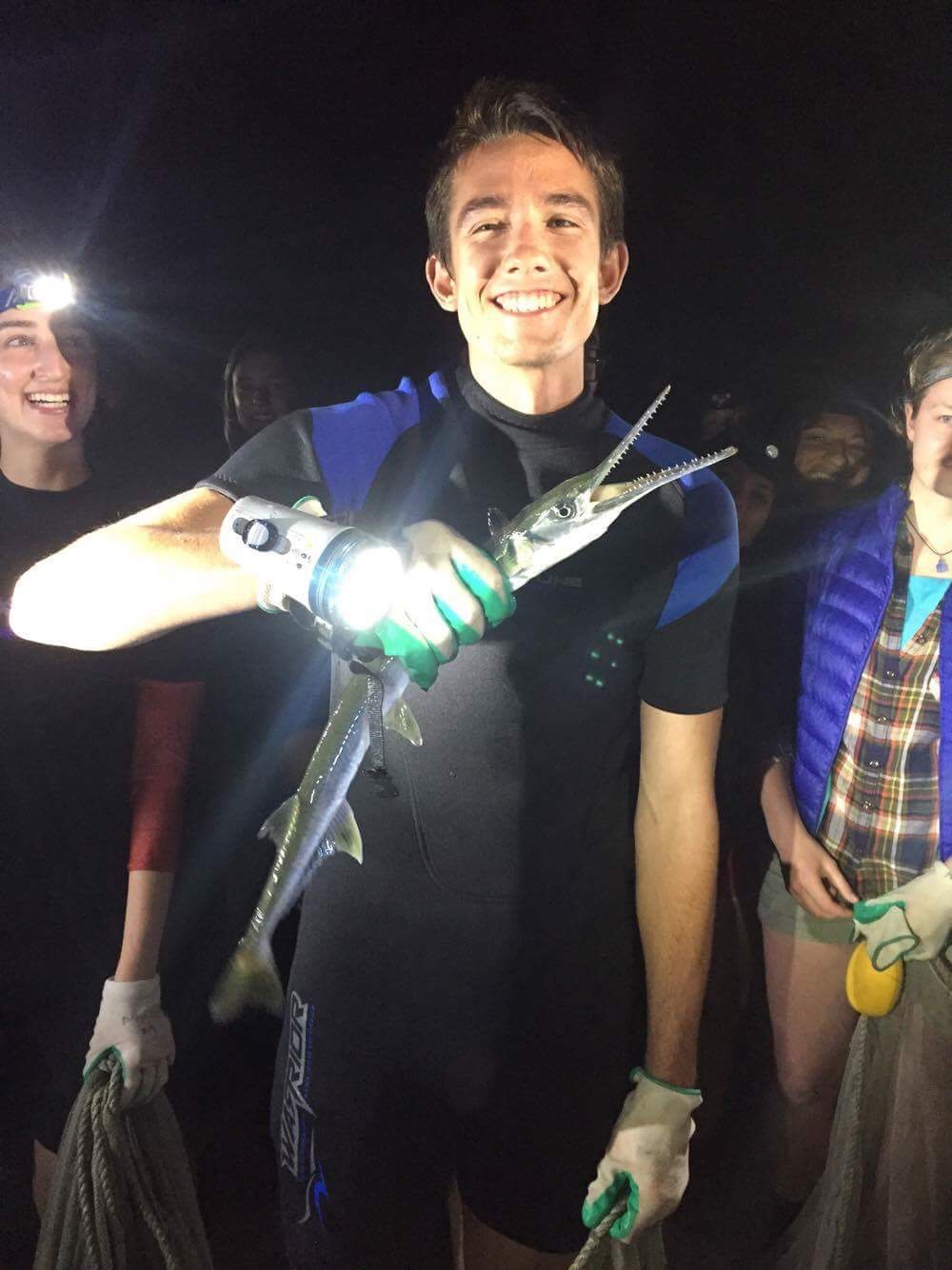
I earned my B.S. in Aquatic Biology, Magna Cum Laude (GPA: 3.83) in just three years while conducting immersive marine research. My academic distinction was recognized through the Bentson Scholarship ($5,000/year) for research excellence and repeated Dean’s List honors. As an NSF REU Scholar, I contributed to the Santa Barbara Coastal Long-Term Ecological Research project, performing SCUBA surveys of temperate reefs and deploying oceanographic sensors—work that secured the Coastal Fund Scholarship for AAUS Scientific Diving excellence. A highlight was my study abroad in Australia, where I designed and executed two independent research projects: (1) testing artificial seagrass efficacy for syngnathid (seahorse/pipefish) conservation at Stradbroke Island’s seagrass beds, and (2) investigating holothurian (sea cucumber) predator-defense mechanisms at Heron Island’s coral reefs. .
Early Life
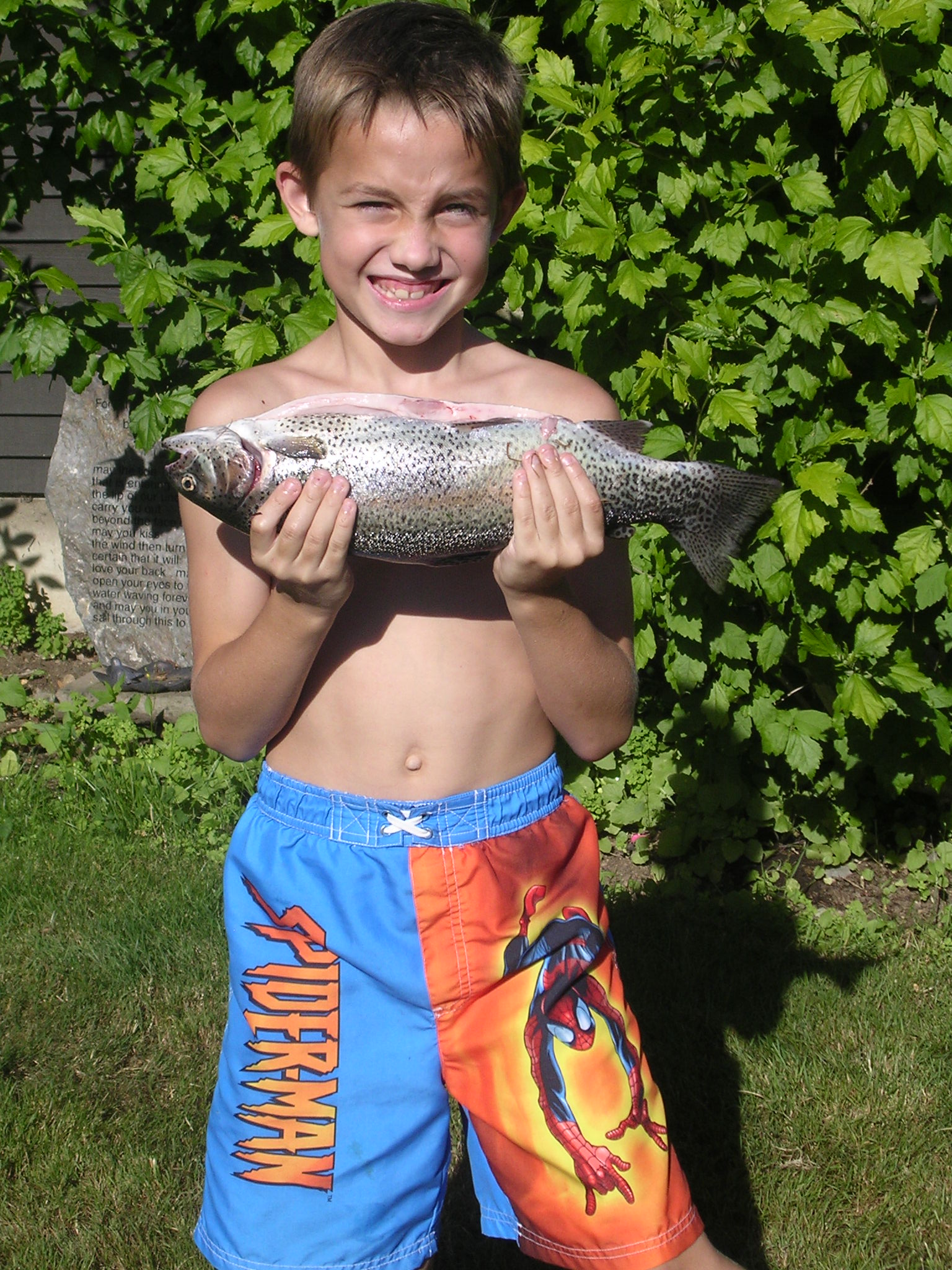
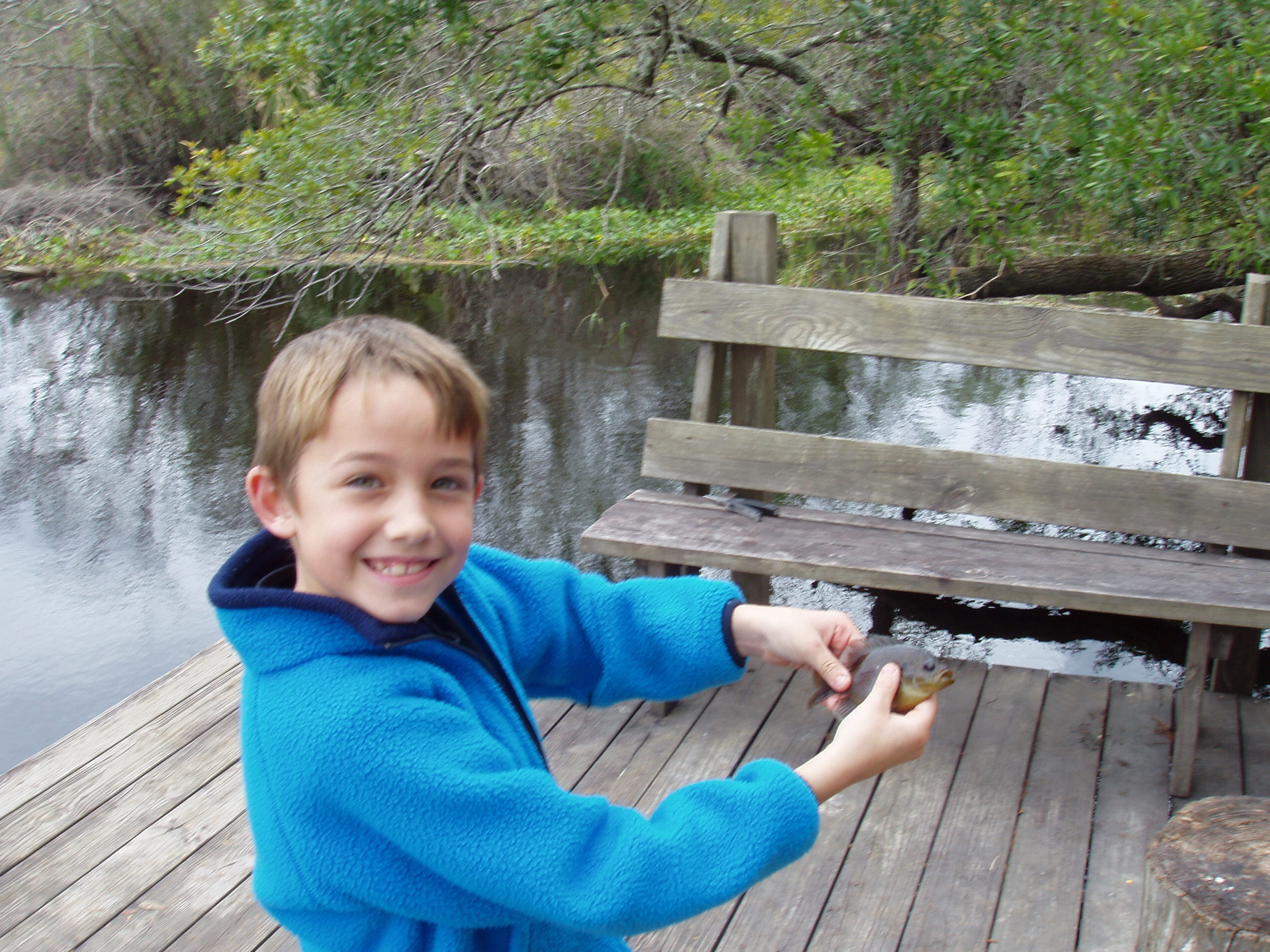
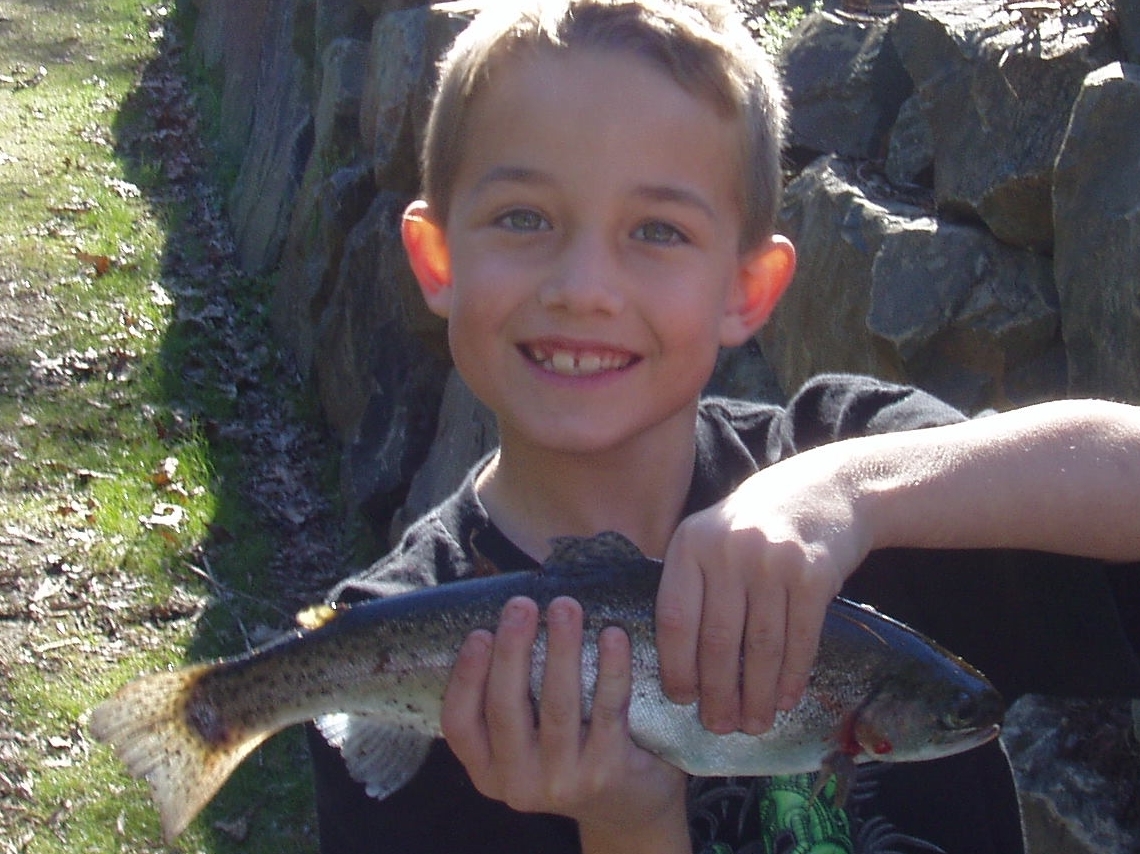
Growing up across the shifting landscapes of South Carolina, Florida, Virginia, and California, one constant anchored me: water. This interest with aquatic worlds sparked an early scientific passion. In middle school, I mapped the existential threat facing my then-home ecosystem, creating a project visualizing sea-level rise’s impact on the Florida Everglades. That study of ice-cap melt and submerged wetlands wasn’t just a school assignment, it was the first ripple in a lifelong current: protecting the waters that shape landscapes, lives, and our shared future.
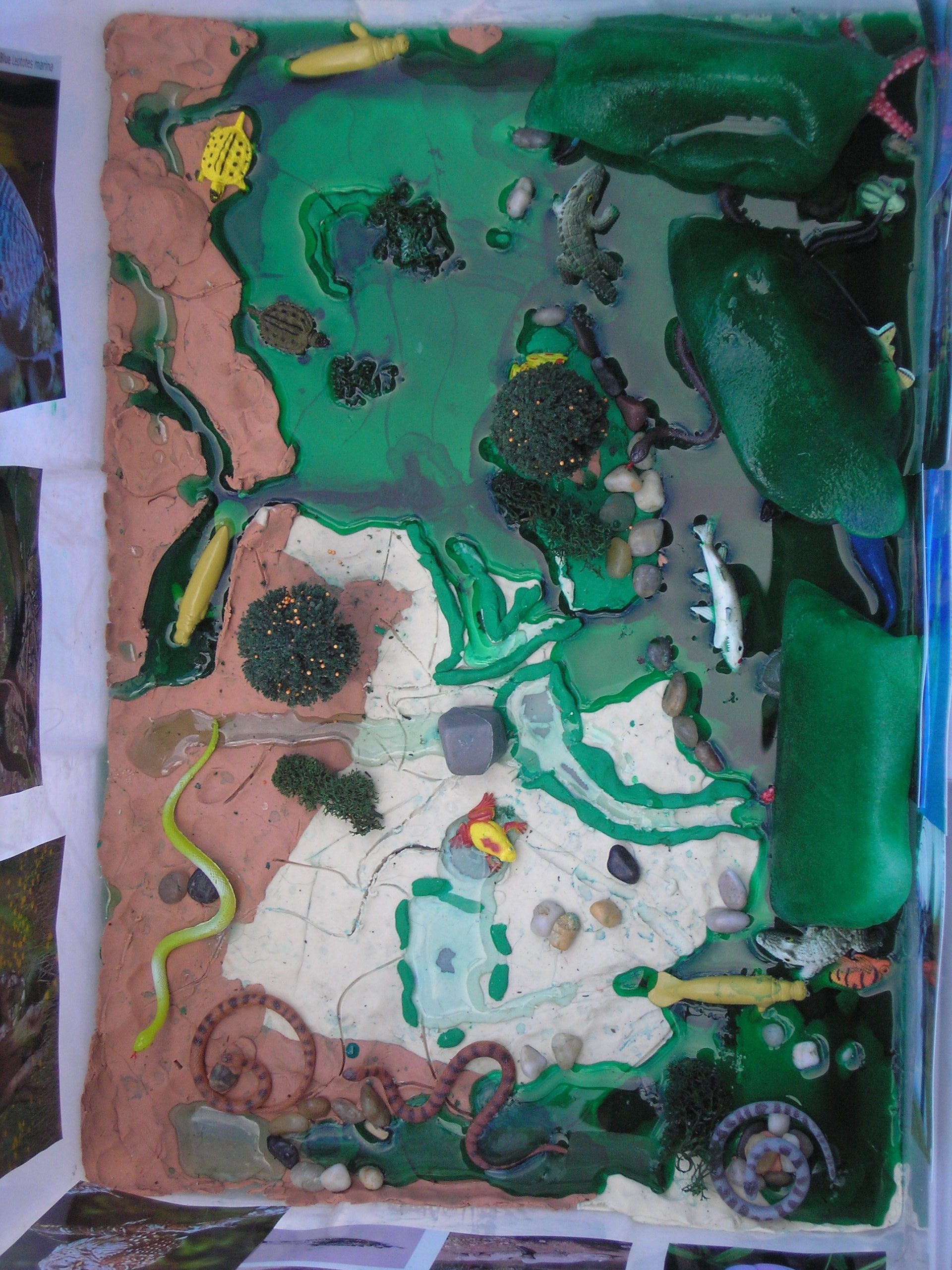
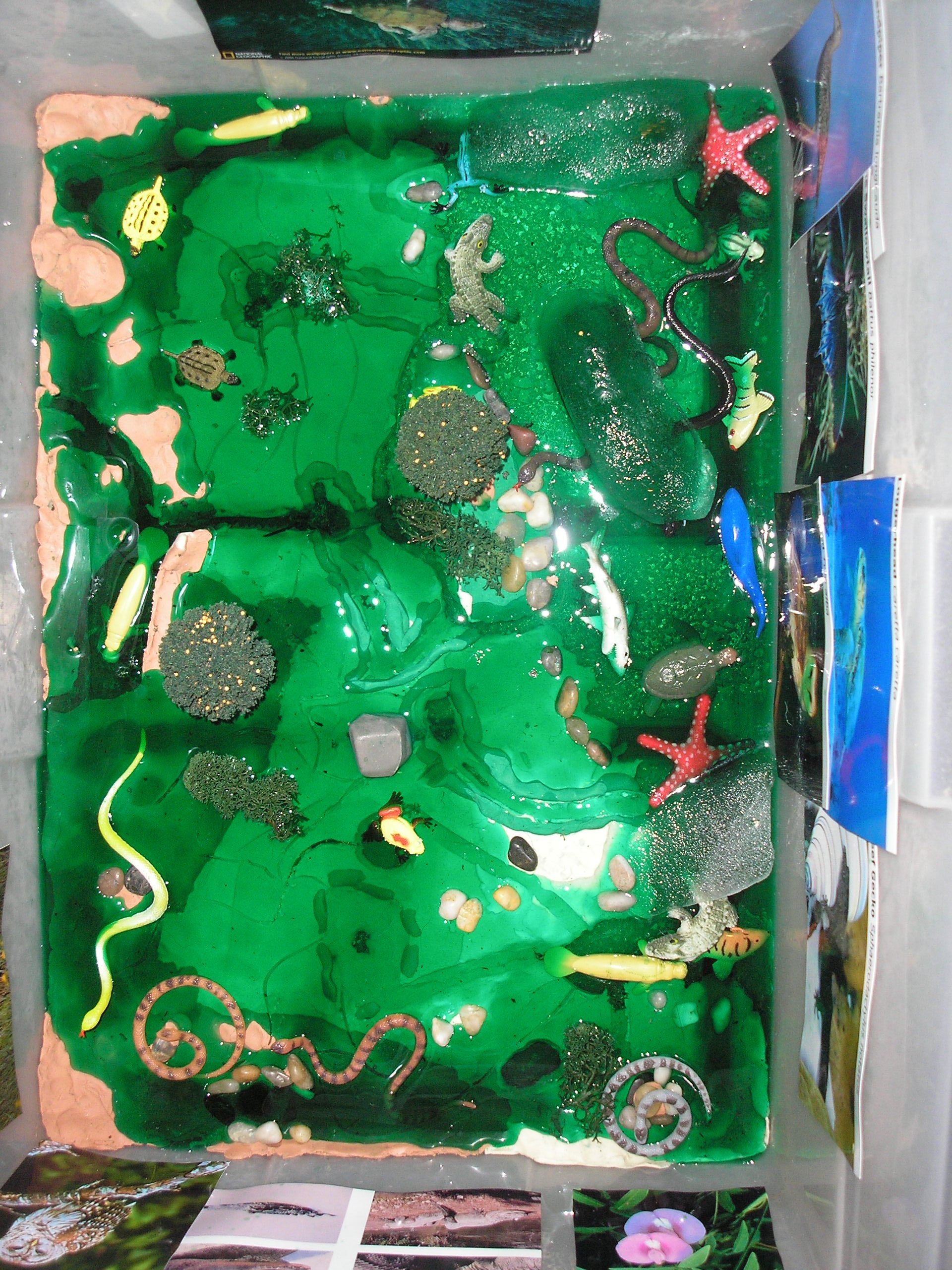
Middle School Project Visualizing Loss of Florida Everglades due to Ice Caps Melting and subsequent sea level rise
Bridging the Analytical and Creative
